2026-01-21
How to Choose the Right Plants for Your Garden
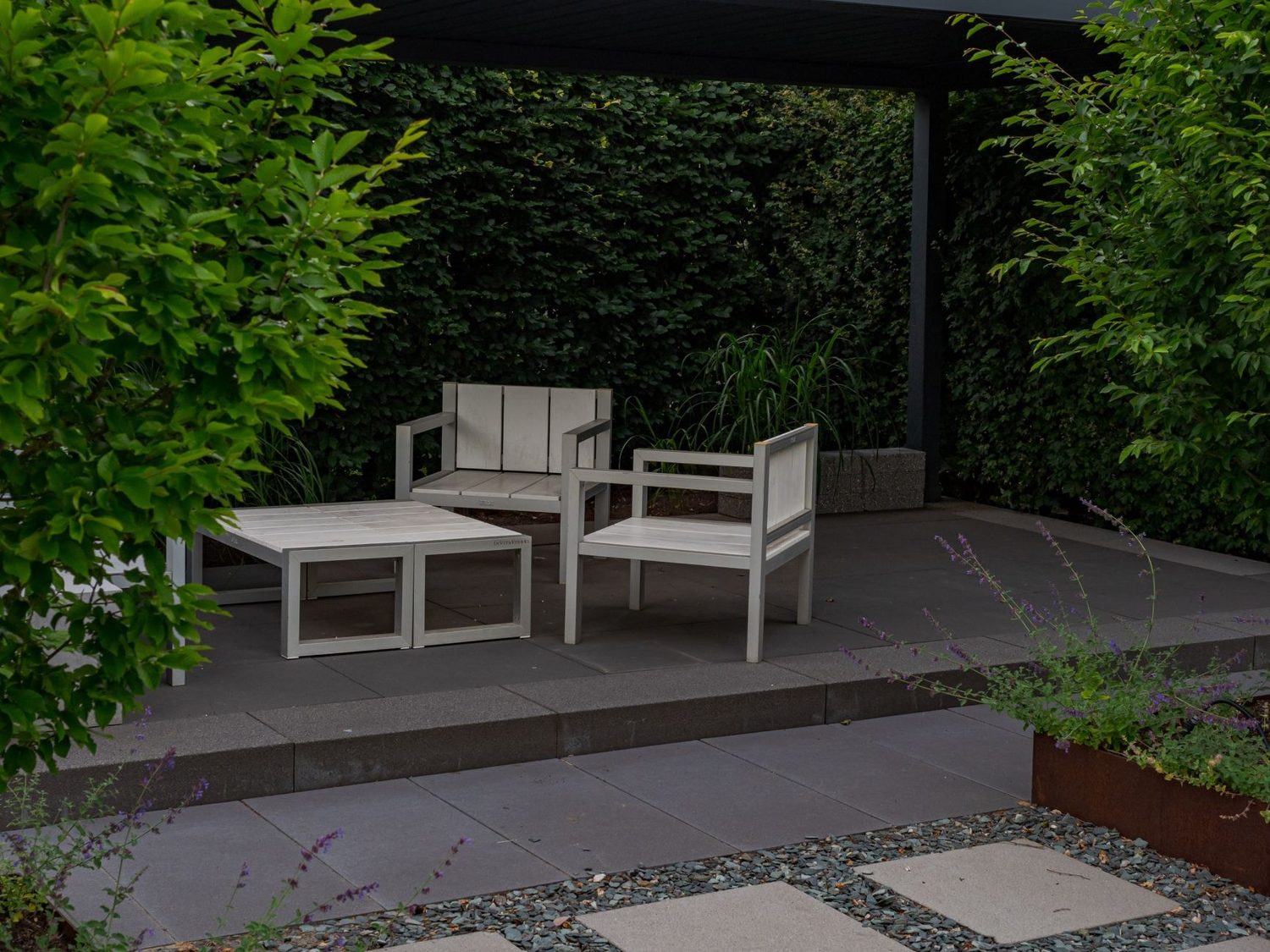
The most common reason a garden looks tired is the wrong plant in the wrong spot. A plant that's matched to your conditions will mostly look after itself. One that's fighting its environment needs constant work and often dies anyway. Here's how we choose.
Start with your aspect, which is the direction your garden faces and how much sun it gets. A north-facing bed that bakes all afternoon needs sun-loving, drought-tough plants. A shady south side or a spot under big trees needs shade-tolerant plants that won't sulk without direct light. Watch your space across a day before you plant, because morning sun and afternoon sun are very different things.
Next, get to know your soil. Squeeze a handful when it's damp. If it stays in a sticky ball it's clay, which holds water and can stay boggy. If it falls apart it's sandy and drains fast but dries out. Most plants are happiest in something in between, but plenty of natives cope with either if you improve the soil with compost first. If a bed sits wet after rain, choose plants that handle damp feet, or fix the drainage before you plant.
Think about wind and exposure too, especially on coastal or open sections. Wind dries plants out and snaps soft growth. Hardy natives like flax, coprosma, corokia and pittosporum shrug off wind and salt, which is why you see them all over exposed Kiwi sites. Use the tough plants on the outside as shelter and the more delicate ones tucked in behind.
Be honest about how much time you want to spend. If you want low upkeep, lean on hardy evergreens, grasses and groundcovers that don't need much pruning, feeding or replacing. If you enjoy pottering and want colour and change through the year, perennials and flowering plants reward the extra attention. There's no wrong answer, but match the planting to the effort you'll realistically give it.
Finally, plan for the size the plant will reach, not the size it is at the garden centre. That little shrub in a pot might be three metres across in five years. Crowding plants in because they look sparse on day one is the classic mistake. Space them for their mature size, mulch the gaps to keep weeds down while they fill in, and be patient. A garden planted with the right things in the right places gets better every year with less work, not more. If you're not sure what suits your spot, that's exactly the kind of thing we work out for clients on site.